What We Do
Our focus
MACRT currently ONLY trains dogs for human remains detection.
Our K9s are trained to locate the odor of human remains across a variety of environments and search scenarios. Training emphasizes reliable detection, clear alerts, environmental adaptability, and the ability to distinguish human remains from non-human sources.
Human Remains Detection
Searches for human remains range from cold cases that are several years to decades old, to verification of historical gravesites and assisting law enforcement and private investigators in providing forensic evidence for active cases.
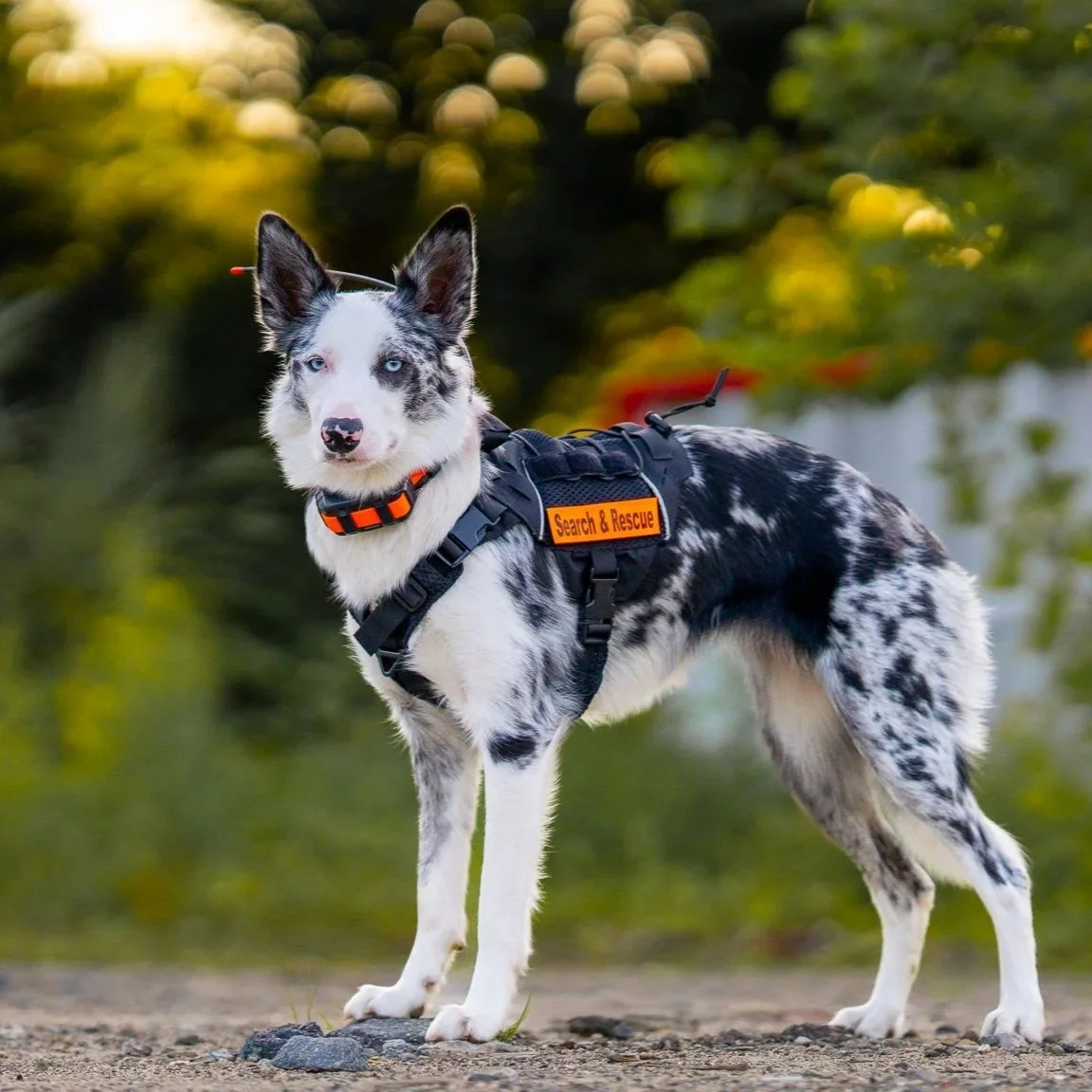
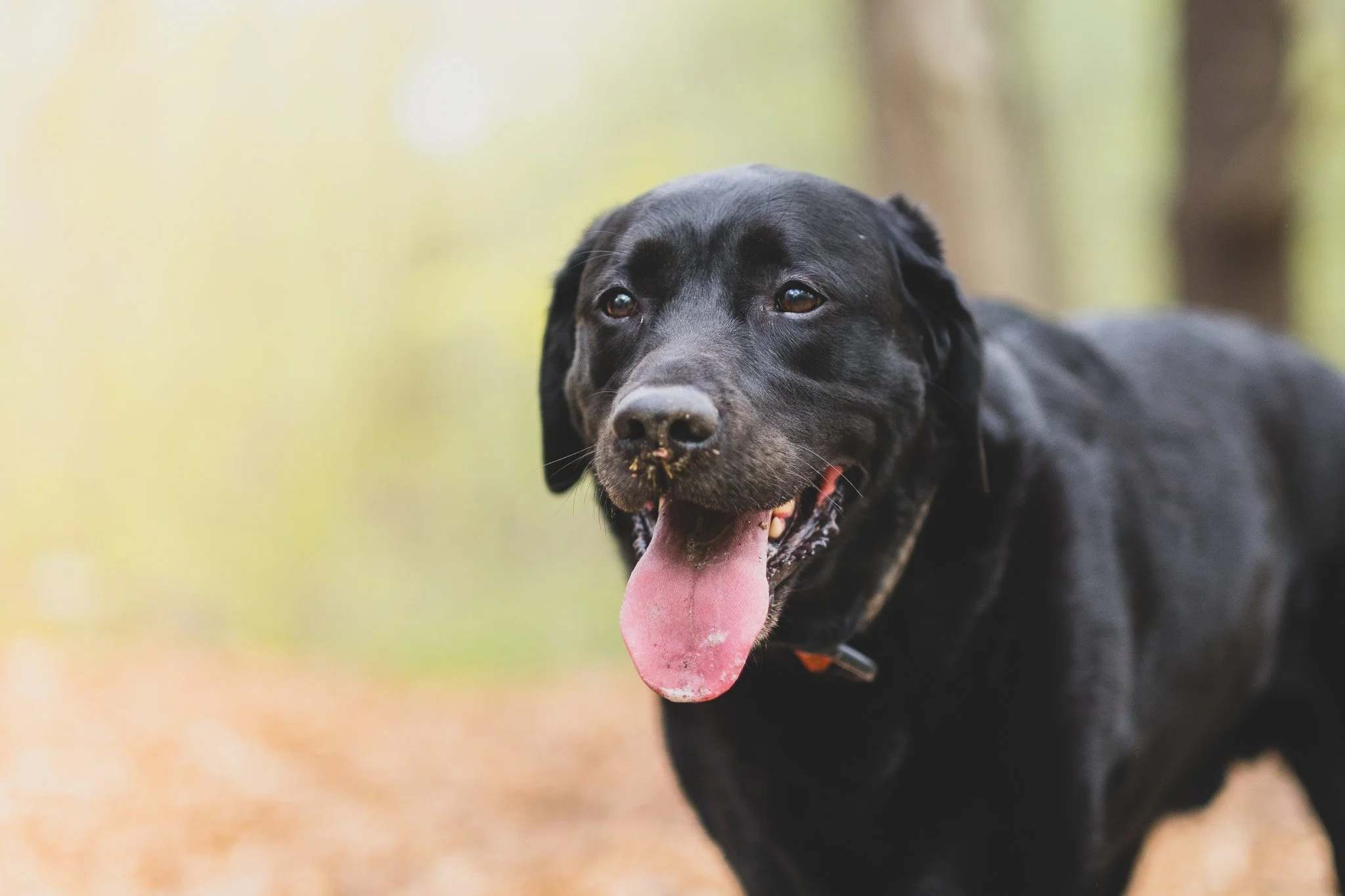
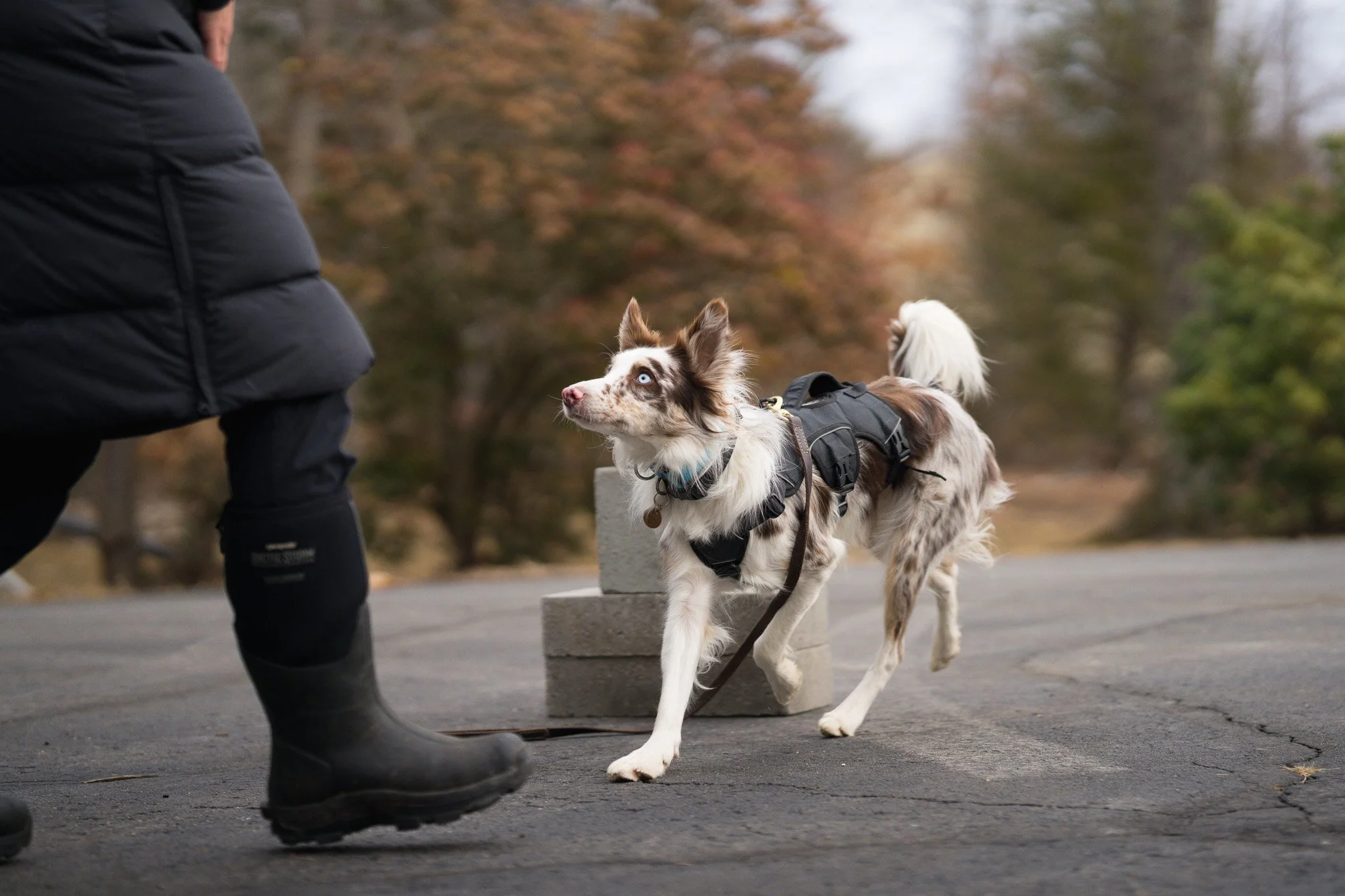
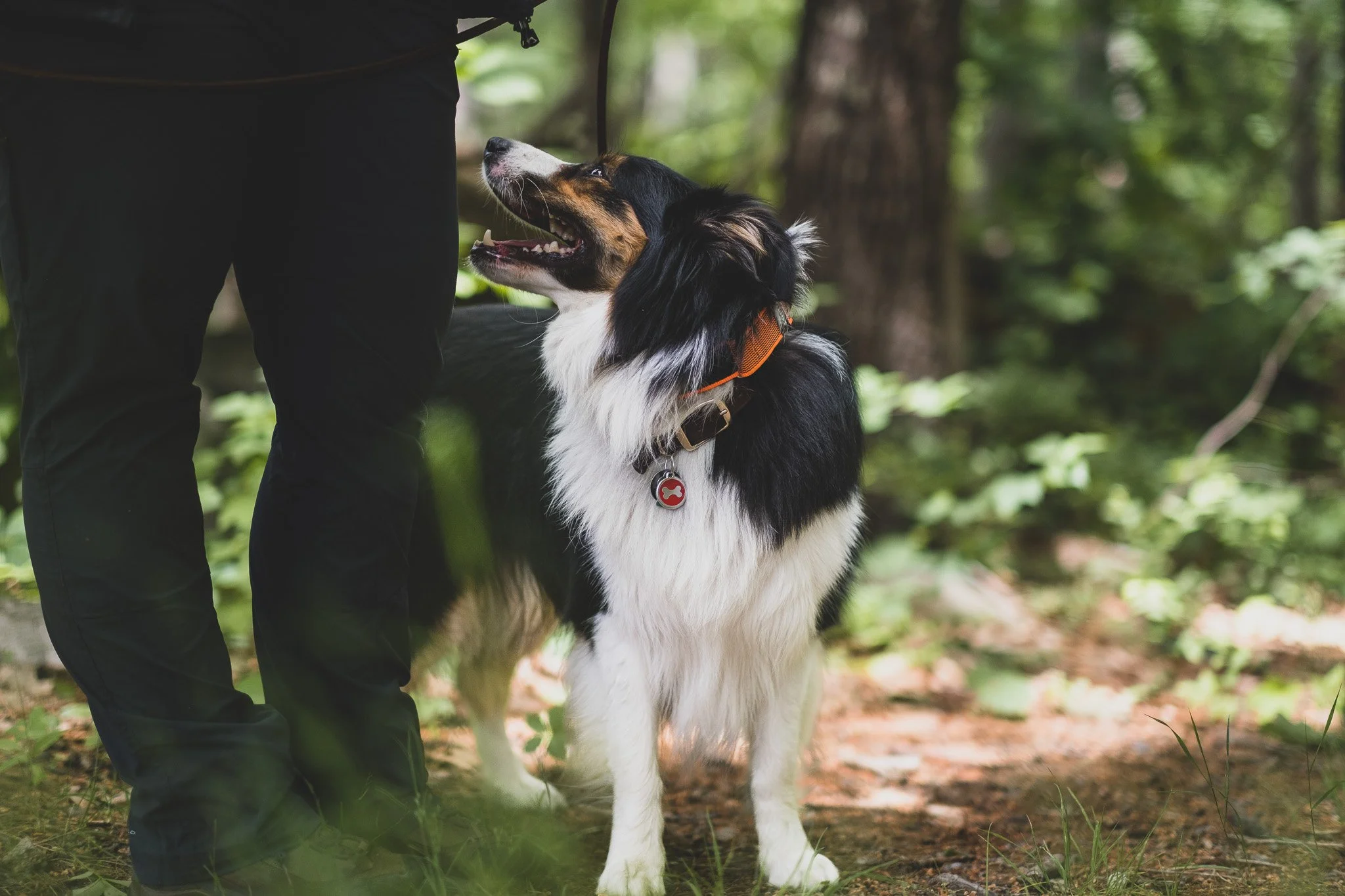
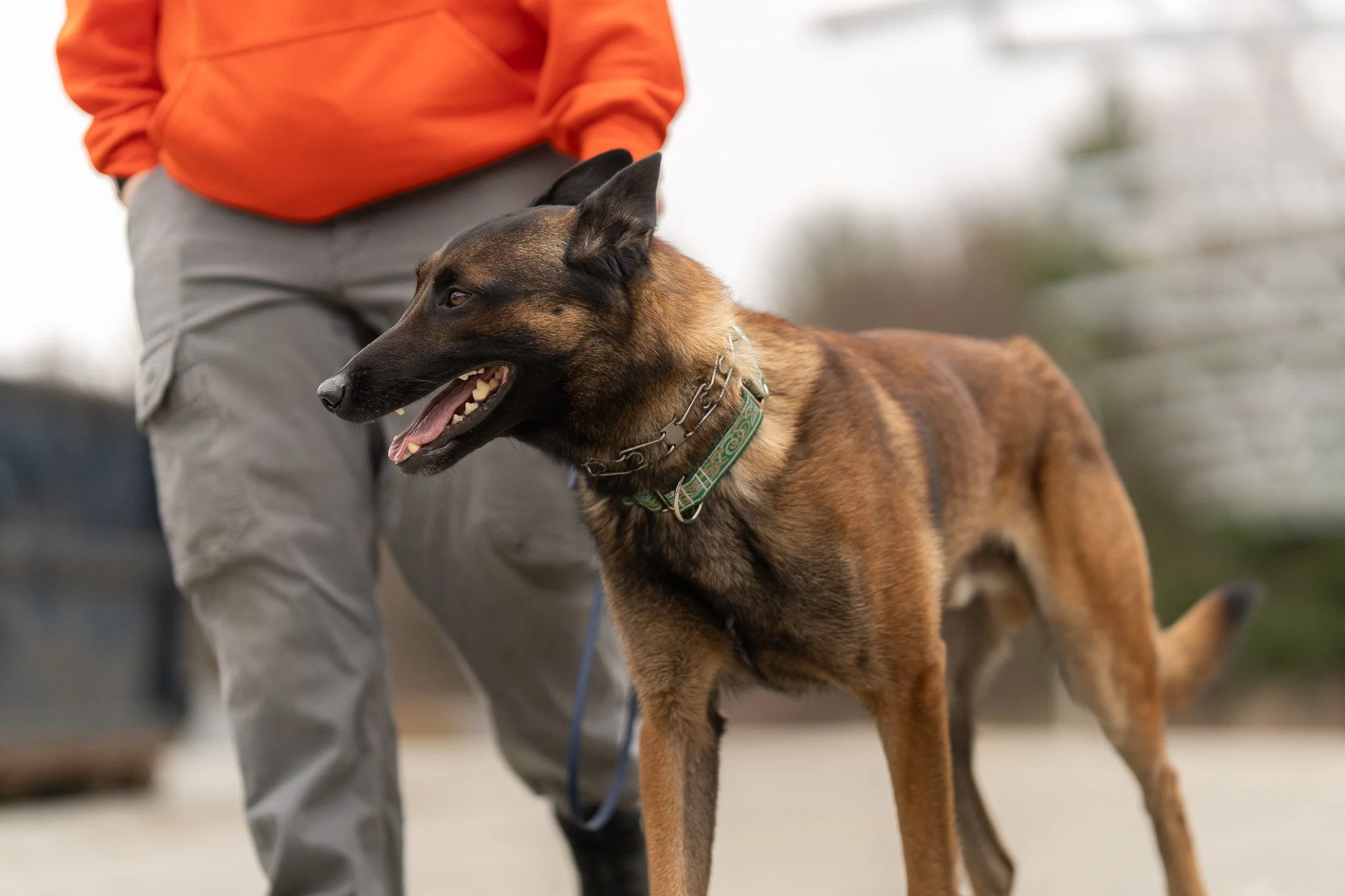
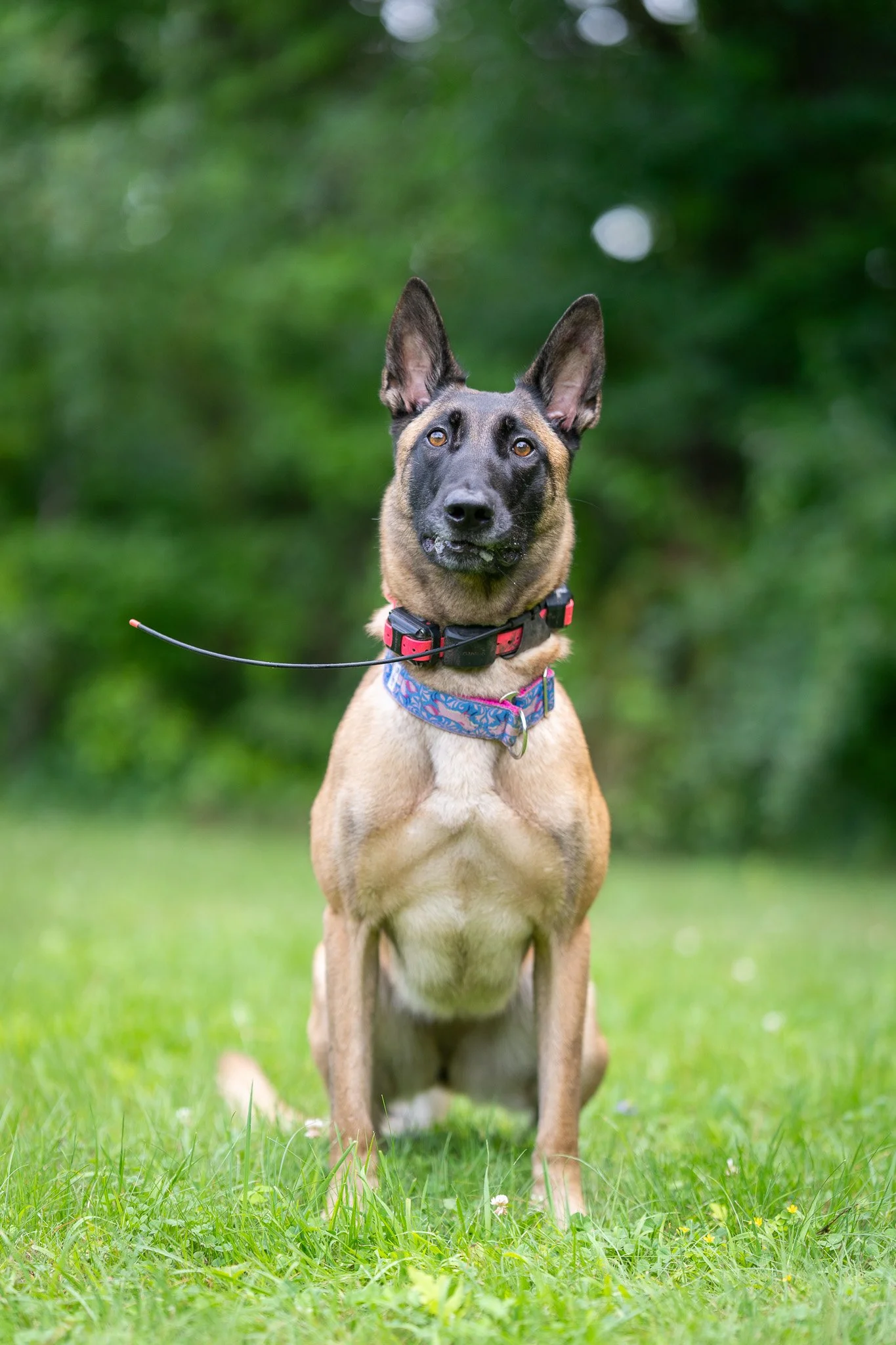
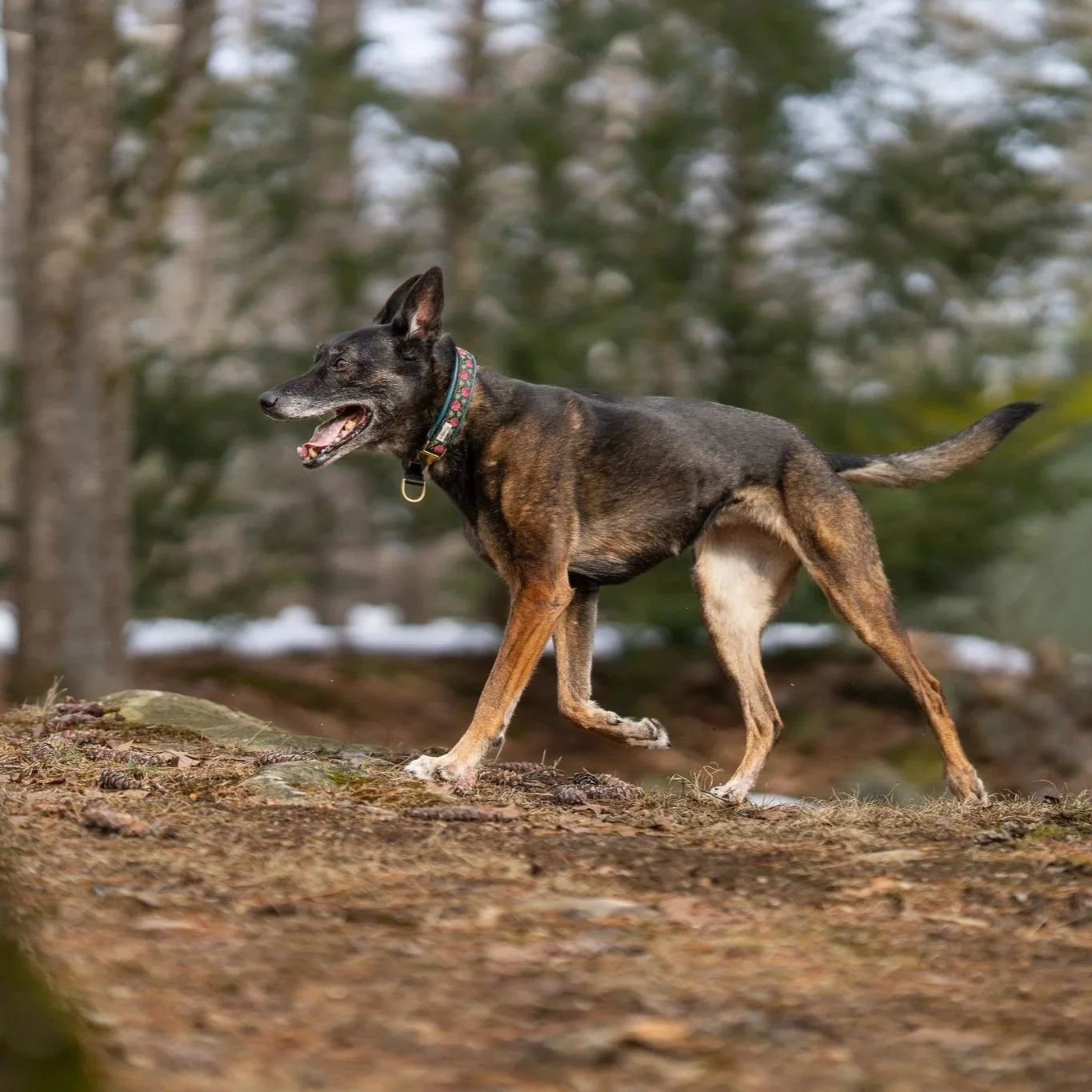
Canines that are suitable for this work have a high drive and a natural ability to hunt for the odor spectrum we train them on. They are agile dogs with good endurance, environmental sureness and are social or neutral with people and other canines. All dogs are trained in basic obedience and have the ability to work on or off lead during a search.
Trained Final Response
All K9s are trained to perform a specific behavior when they find the odor of human remains. This may be a sit, down or bark at source. This trained behavior, also known as a “Trained Final Response” is a required skill of all the canines and must be performed consistently.
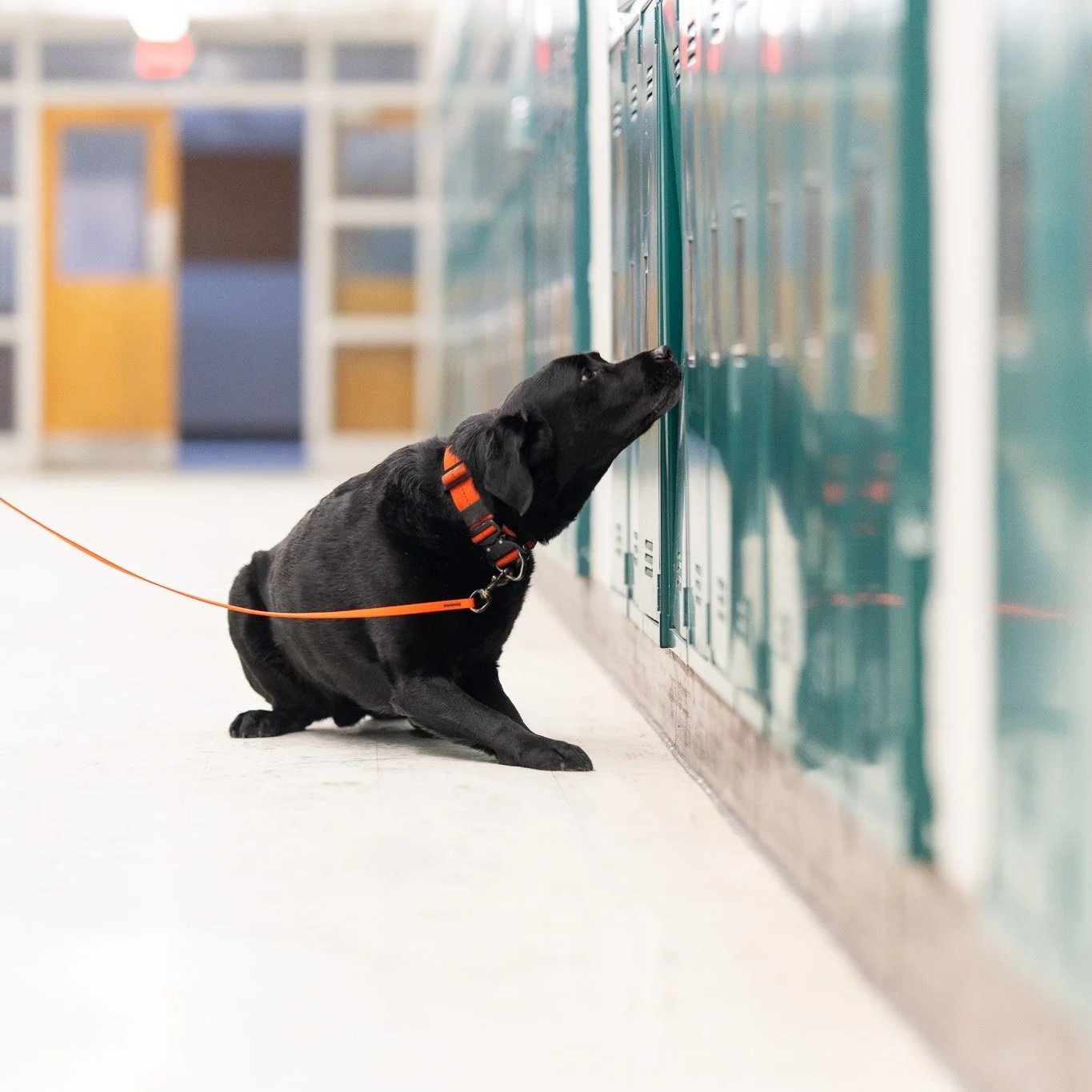
Search Environments
HR K9s must show fluency in a variety of environments including:
Wilderness and large-area searches
Urban environments
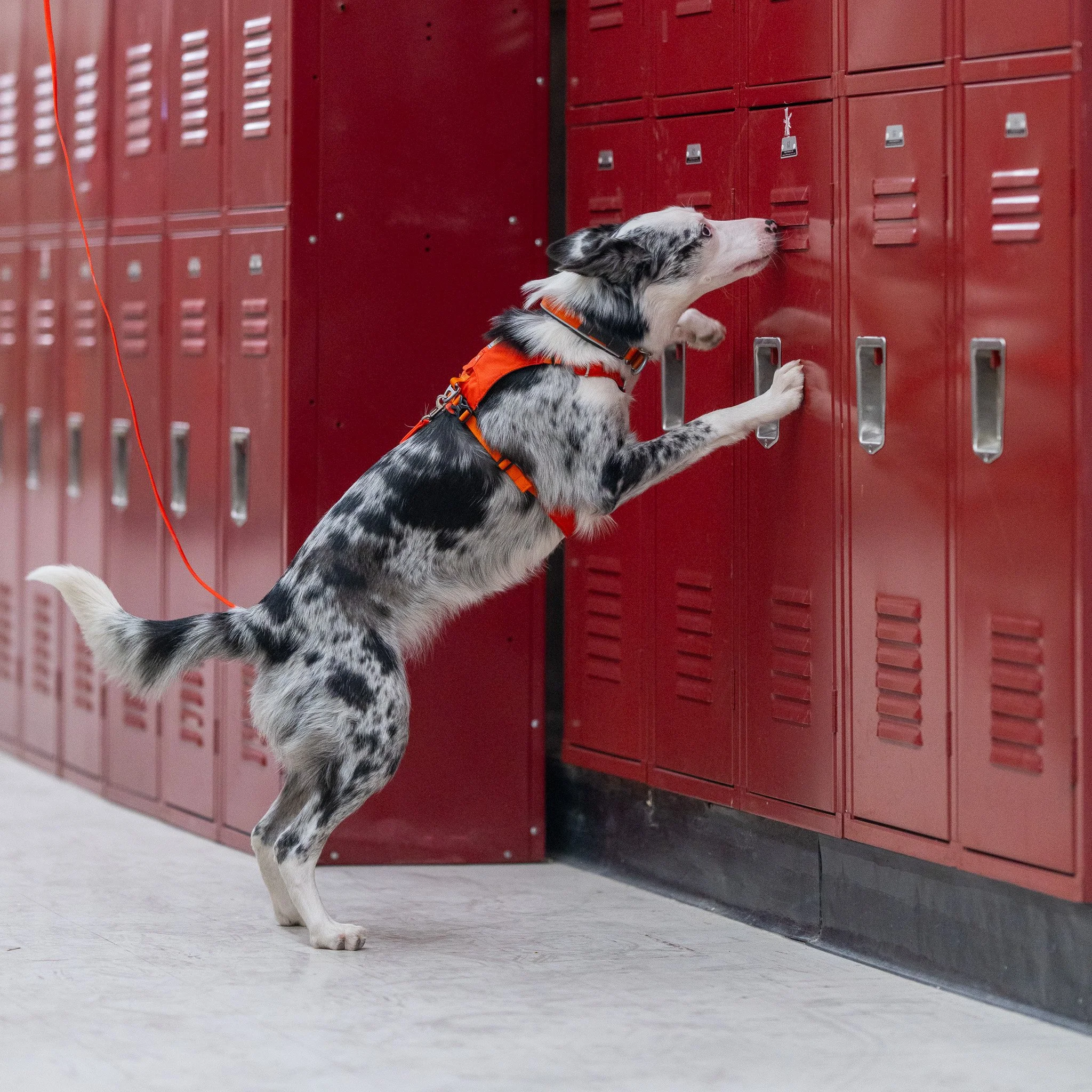
Building interiors and exteriors
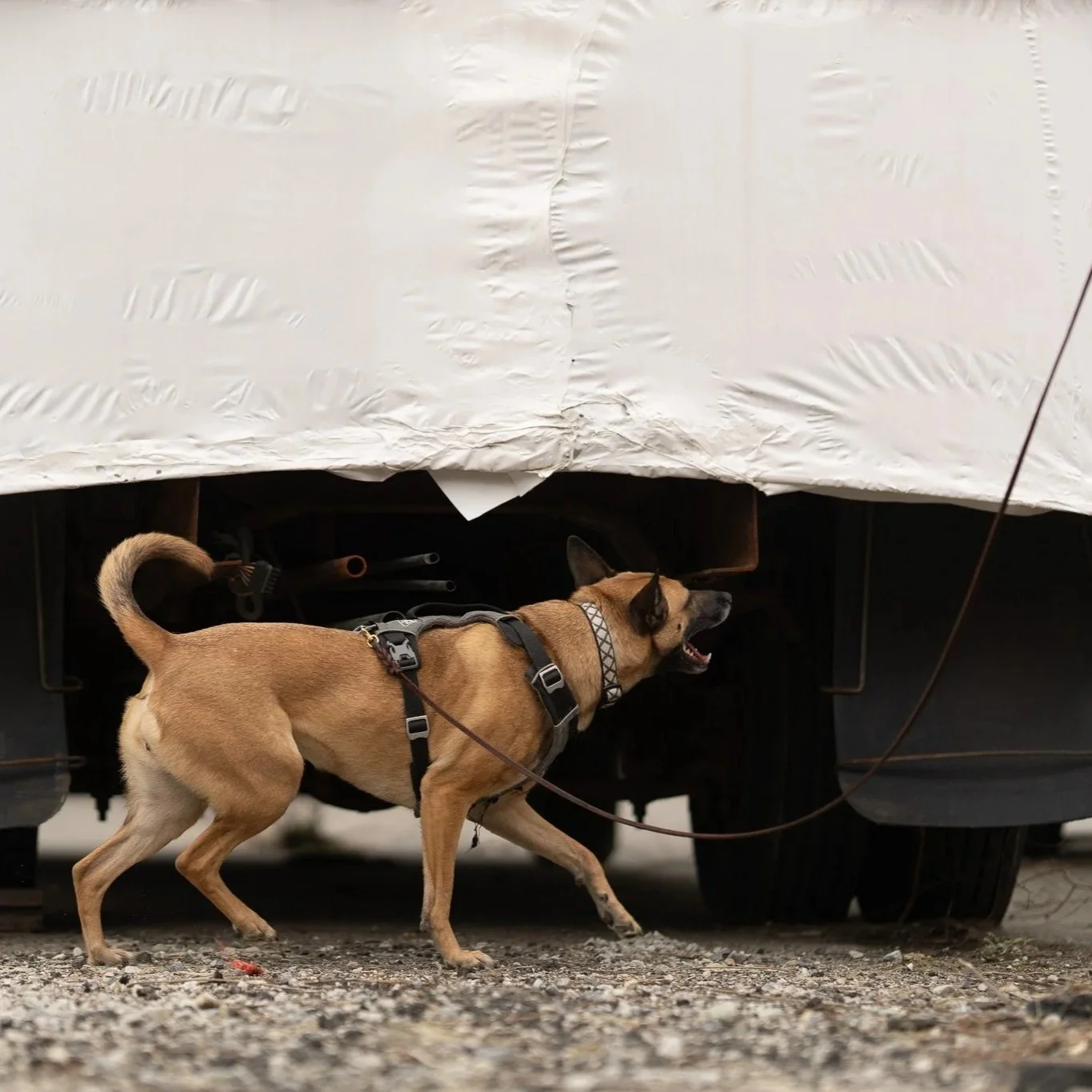
Vehicles
Shorelines
Ponds and lakes
Rubble and other challenging environments
They must alert to a wide range of age and size of remains, as well as discriminate between what was human and what might be animal remains. It is just as important for a handler and K9 to clear an area and have confidence that an area is negative (contains no remains).
Certification
All deployment-ready teams maintain a certification through one or more of the nationally recognized organizations (International Police Work Dog Association; National Search Dog Alliance or others).
It typically takes approximately 1.5 – 2 years to train a dog to certification status, and certification does not mean the dog will be considered deployable if training experience and exposure is too limited during that period. Therefore, all handlers must commit to regular team training as well as participating in external seminars where they and their K9s are exposed to other source material, environments and methodologies.

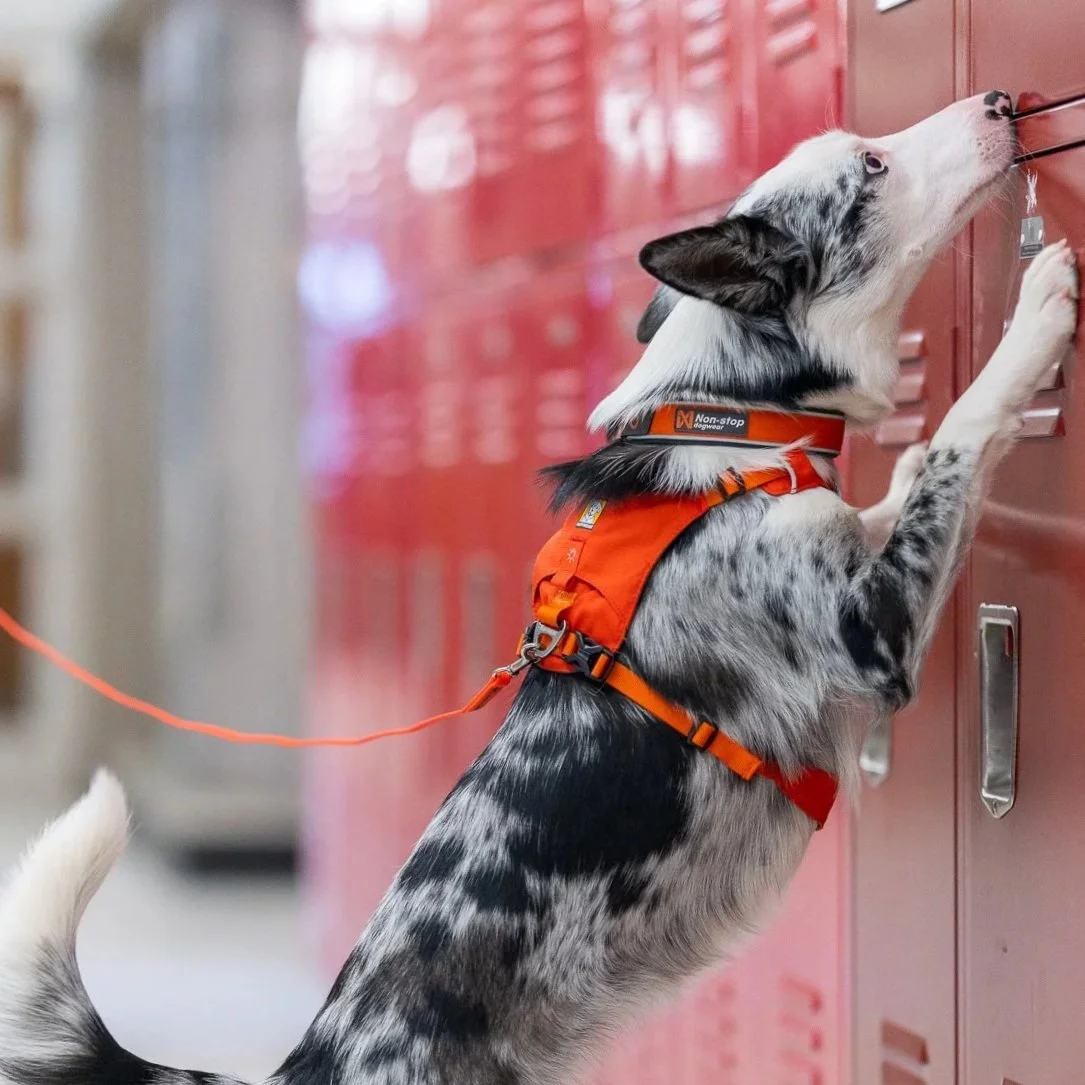
Odor Recognition
All our HR dogs are exposed to a broad spectrum of human remains odor including:
Very small / trace evidence (such as a blood smear)
Burned remains
Buried remains
Submerged remains
Dry bone
Body components (limbs, wet bone, skin, fat, muscle)
Whole cadaver
Our team trains regularly with the Center for Forensic Training and Education to ensure all canines will alert on a whole body. Many of our K9s have had multiple whole body training exposures through the Center for Forensic Training and Education (CFTE) or training at other sites across the country.
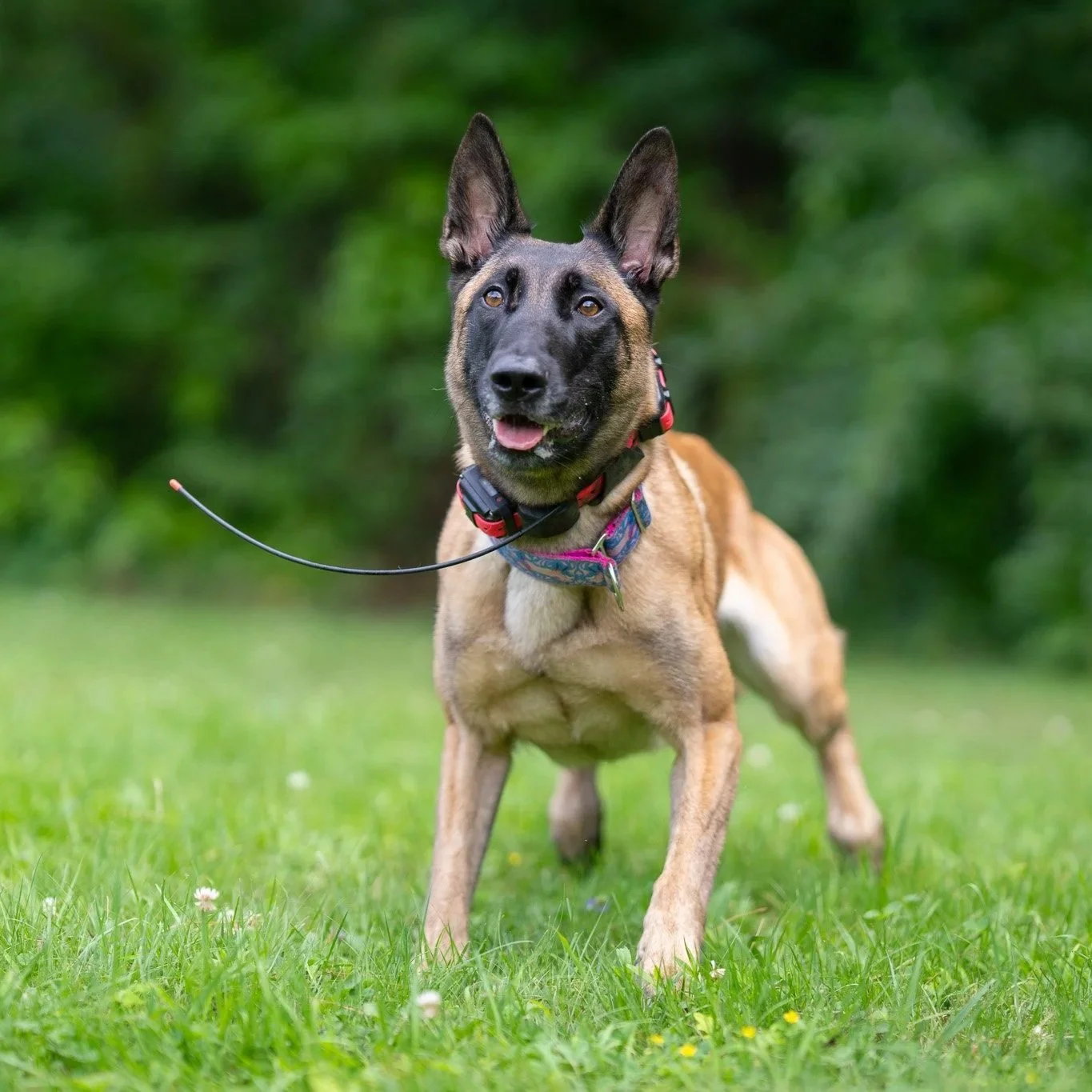
Different Human Remains Detection Disciplines
Wilderness Searches
In wilderness HRD searches, K9s work off leash to search large areas efficiently.
Training focuses on:
Searching large and varied terrain
Working independently while maintaining communication with the handler
Following odor across changing terrain and environmental conditions
Maintaining an effective search pattern
Detecting human-remains odor at varying distances and concentrations
Providing a consistent Trained Final Response - even out of sight
Wilderness searches require K9s with strong endurance, environmental confidence, and the ability to work for extended periods across challenging terrain.
Water - Boat & Shoreline
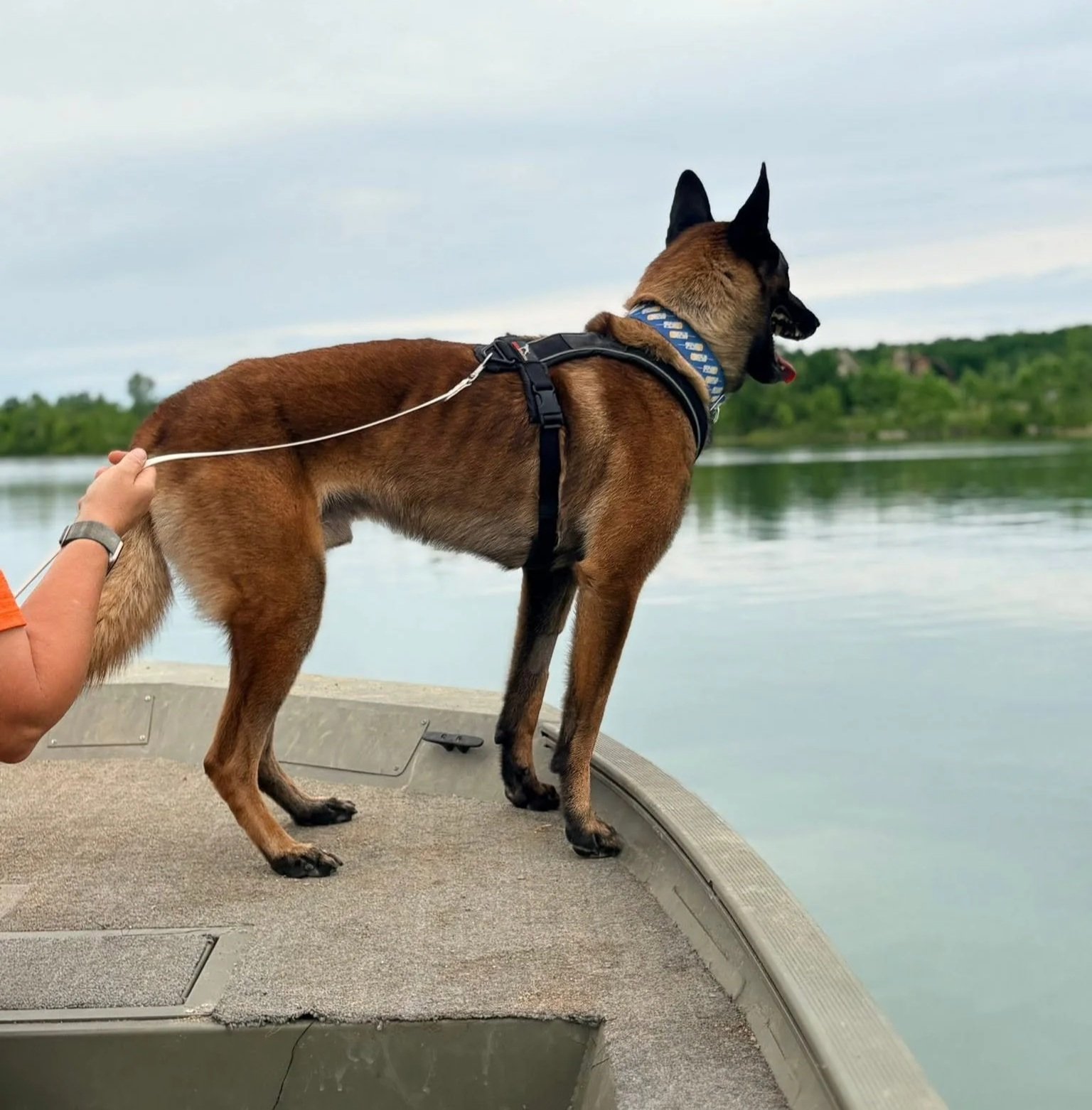
Water searches involve K9 teams working on shorelines or from boats to locate human-remains odor associated with submerged sources.
Multiple MACRT K9s are currently training for water HRD. At this time, none of our K9s are certified in it.
Crime Scene
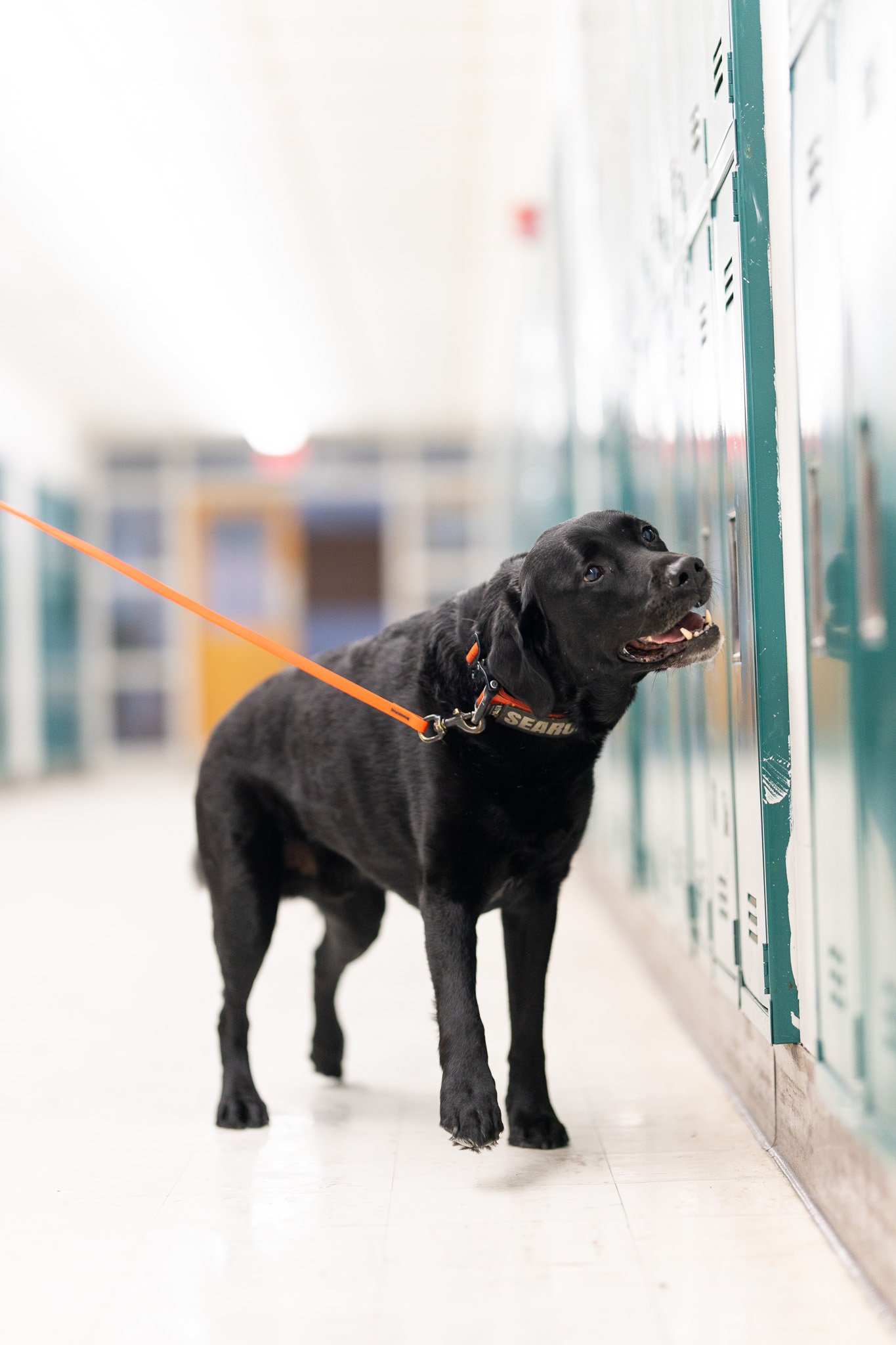
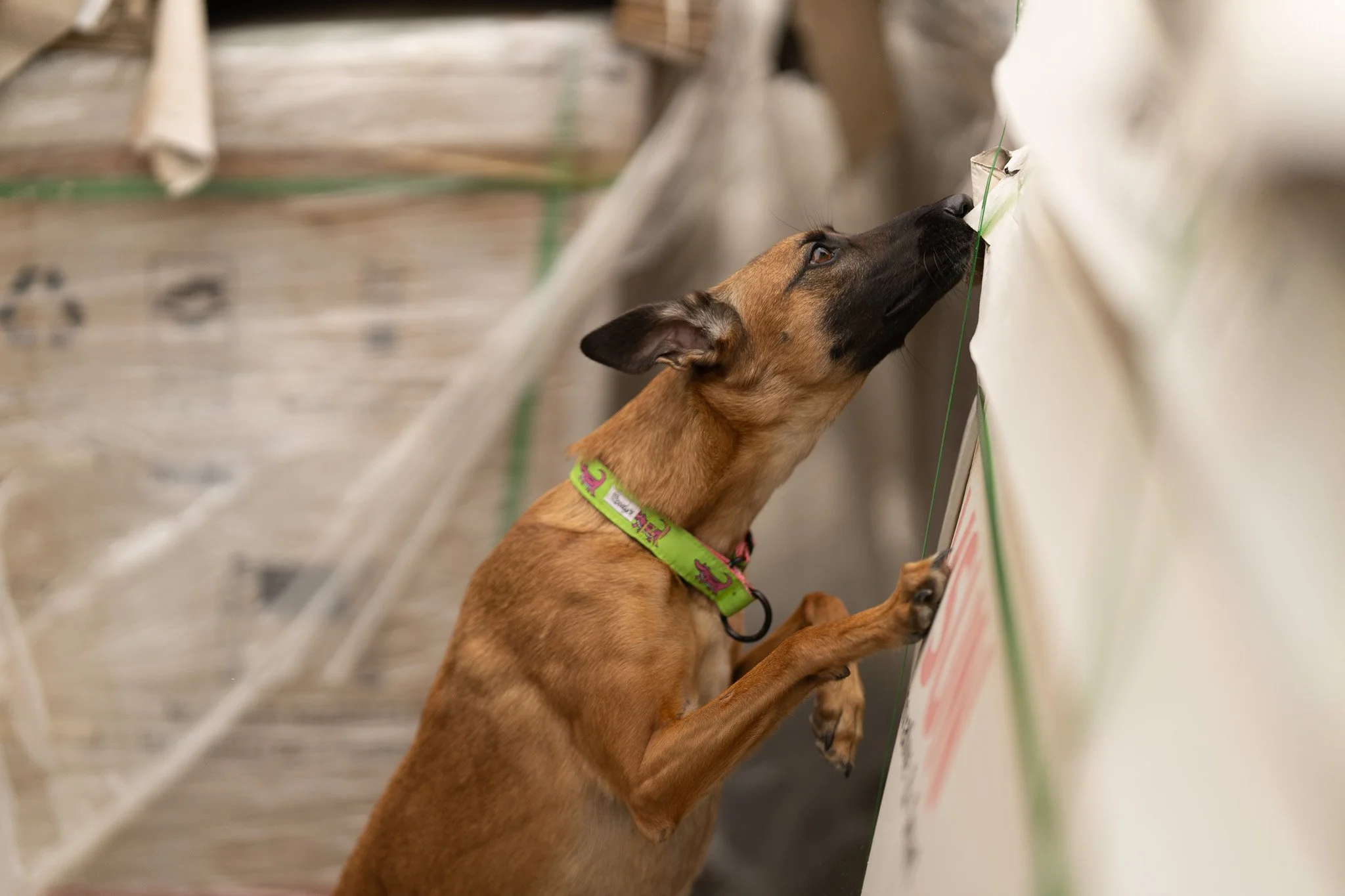
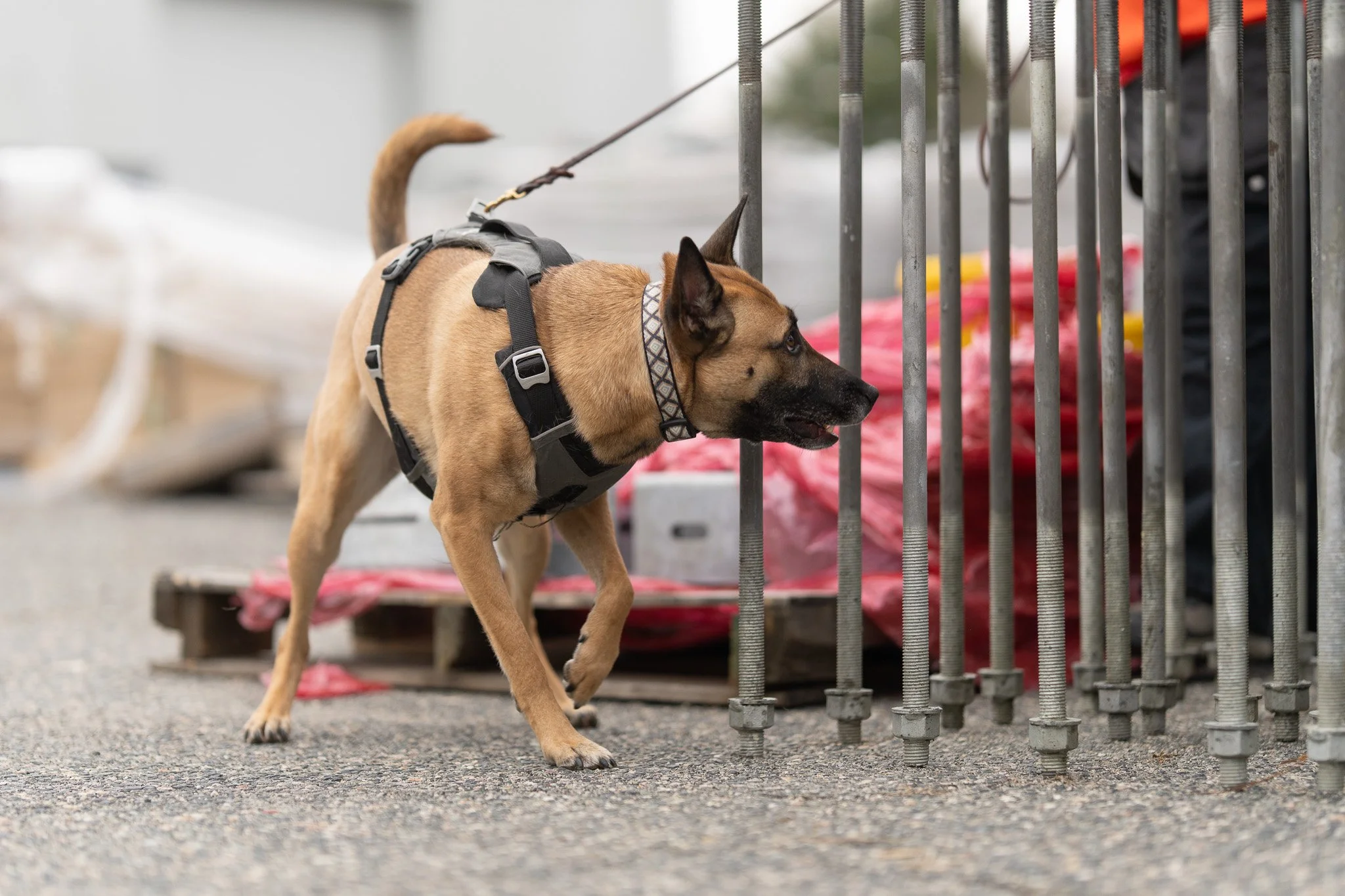
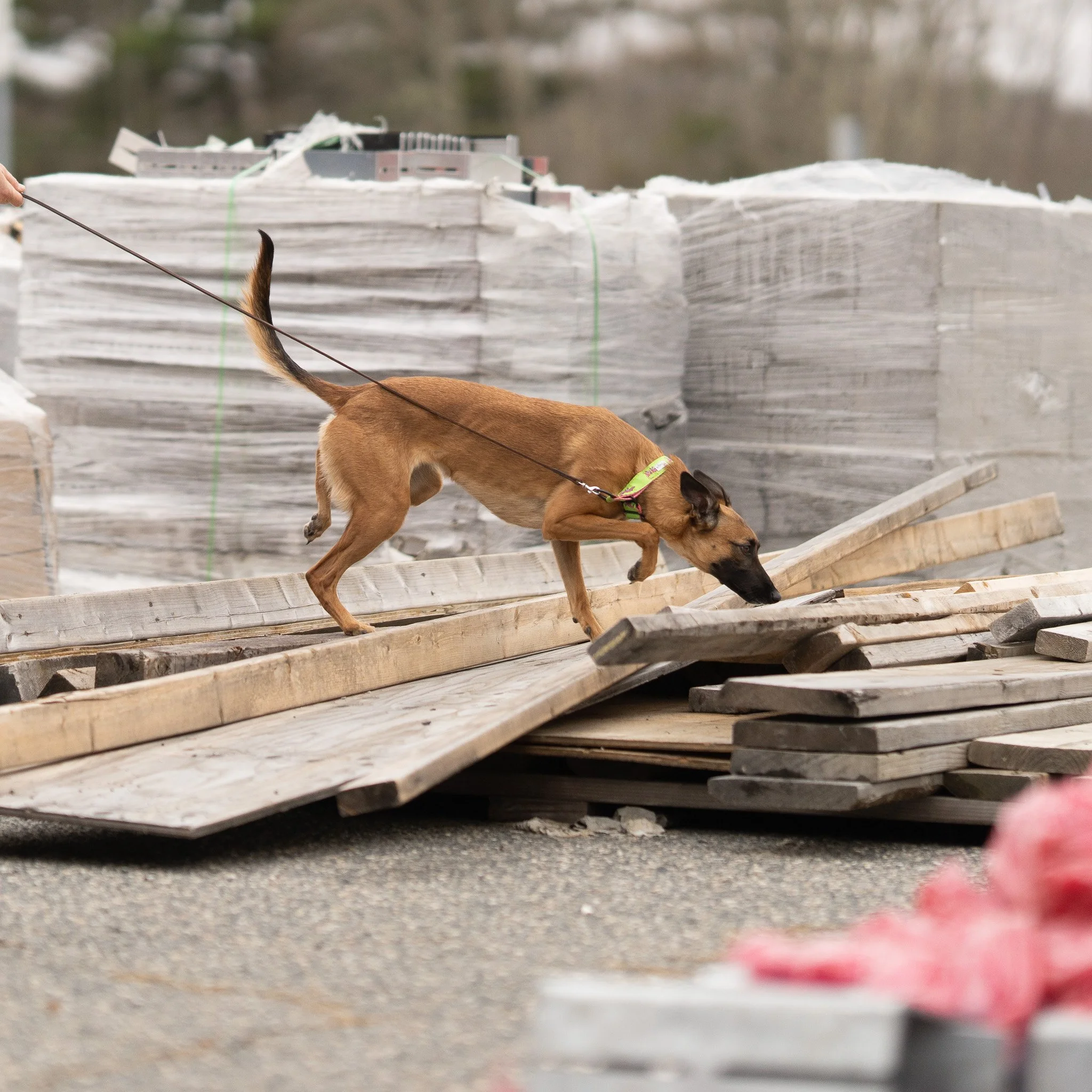
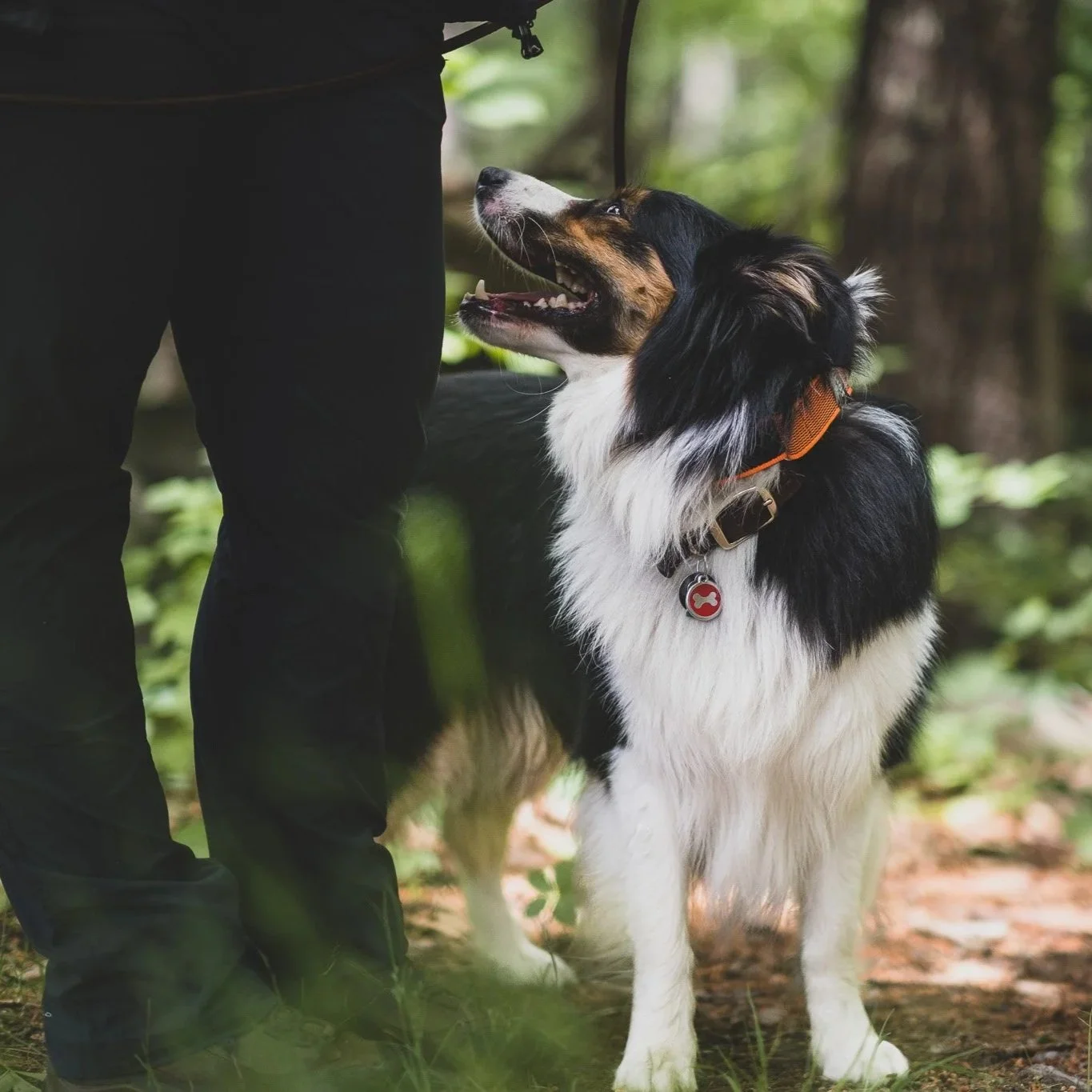
Crime scene HRD is a more detailed search discipline. K9s typically work on leash and are trained to systematically search specific areas and objects.
This may include:
Vehicle searches
Building interiors and exteriors
Other locations requiring detailed, close-range searches
Crime scene training emphasizes precision and thoroughness. K9s must be able to work in confined or complex environments, investigate individual areas systematically.